From "Surviving in Space", to Lunar Living
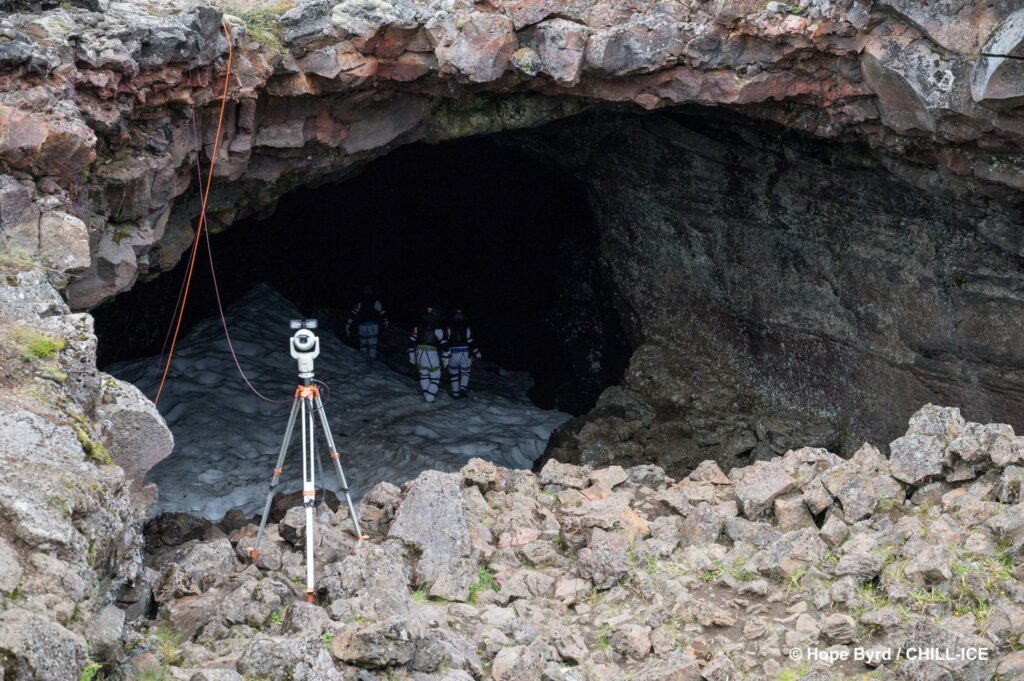
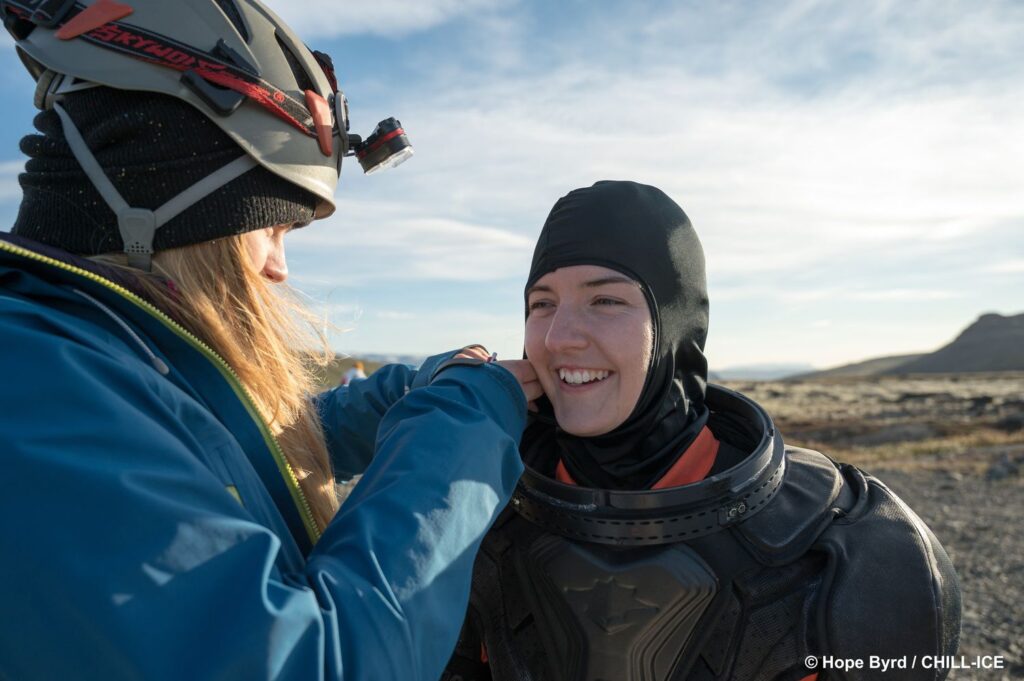
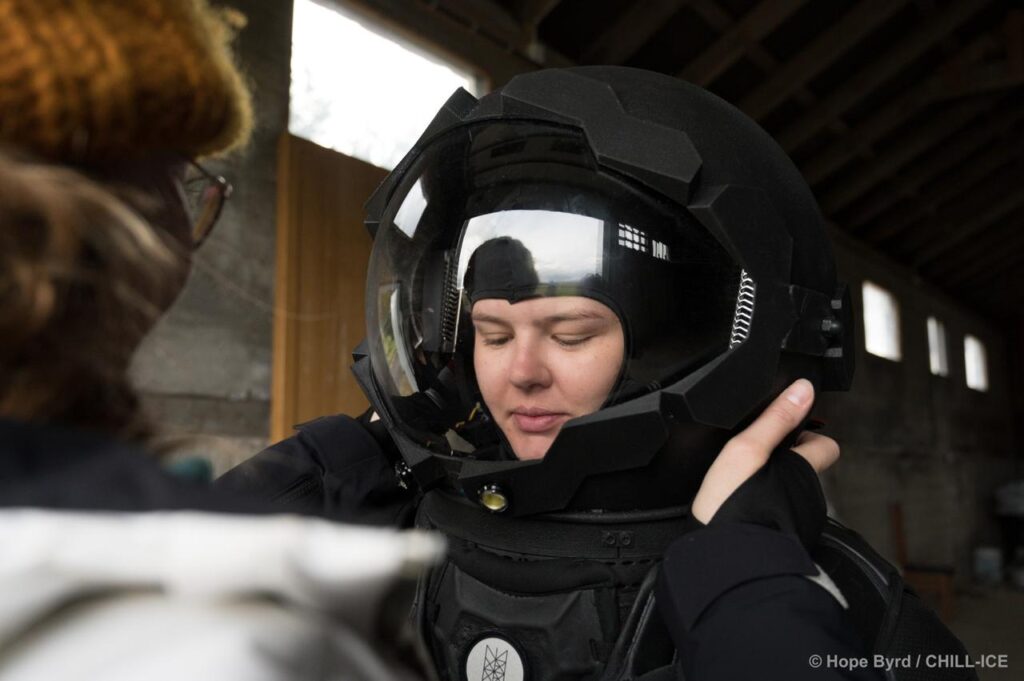
The initial missions of CHILL-ICE, Luna and Lava, were focused on the set-up of a temporary habitat on, or rather underneath, the simulated lunar surface in the lavafields of West-Iceland. Both missions were completed successfully, showcasing that our in-house geologist’s wild dreams of subsurface living as an option for future lunar survival is noto only feasible, but a potential residential goldmine in terms of natural scientific research opportunities.
At the same time however, these two short proof-of-concept missions were exactly that: Short, and merely a proof-of-concept of human survival. Humans can survive with minimal amounts of sleep for a day or two, exist with little or suboptimal food choices, and knowing the mission only lasts just under 60 hours, means a lot of leniency in interpersonal relations, and enough patience and stress tolerance to stretch for most of the mission.
Future humans, in a semi-permanent lunar habitat however, will be cohabiting on a much different scale. More intricate mission planning, daily scheduling, getting into a daily rhythm, and creating a work-life balance, that was something still lacking during the initial two missions of CHILL-ICE.
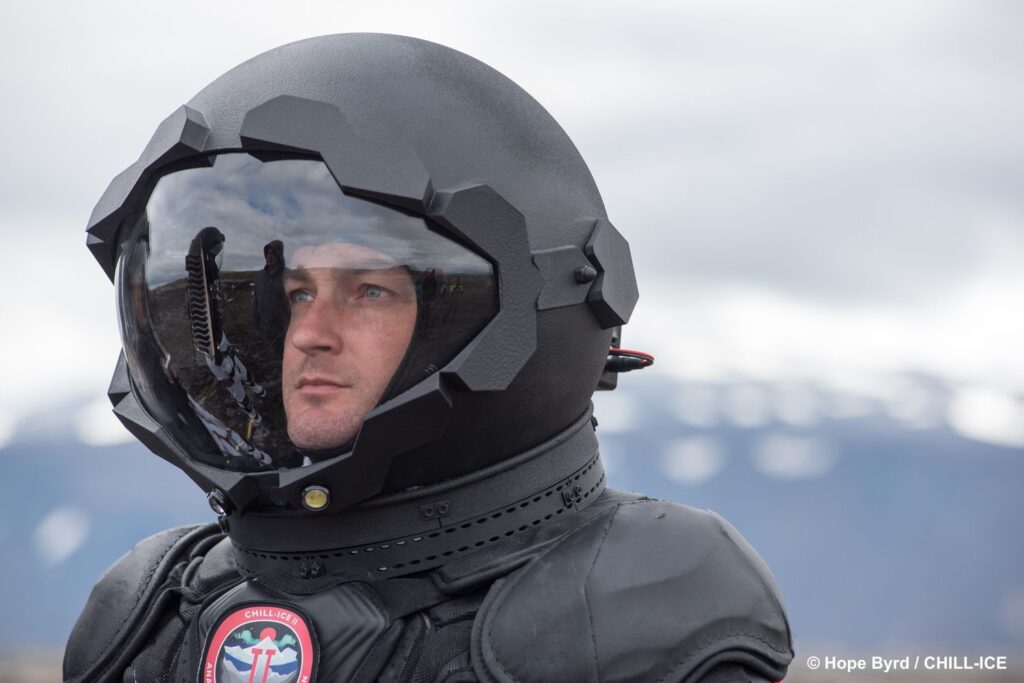
CHILL-ICE II returned to Hallmundarhraun with exactly this purpose, covering a full week inside a lava tube, nearly 200 m away from the nearest surface access points. It changed the way we view subsurface survival in space, and proving that residing inside lava tubes from safety, logistical, and scientific perspectives vastly outway the costs.